


How Paranormal Investigation Research Helps You Become a Better Investigator
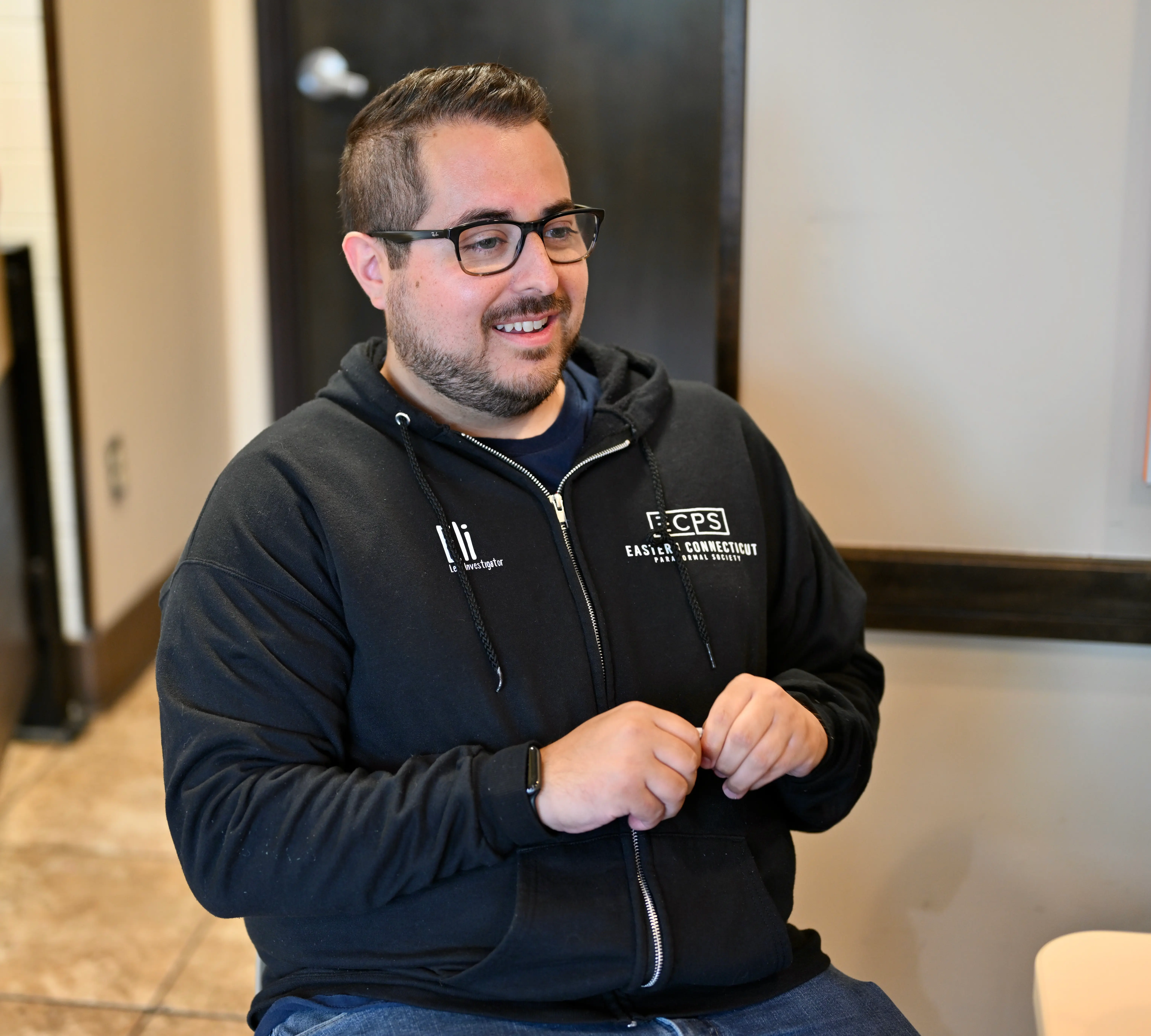
Before any investigation begins, research plays a critical role in helping investigators understand the claims, the history of a location, and whether a case is worth pursuing.
Careful preparation allows investigators to separate emotional experiences, environmental factors, and historical context before stepping into a potentially active location.
At Eastern CT Paranormal Society, every case begins with a review process. We examine the claims being reported, conduct a pre-screening interview with the client, and ask questions designed to rule out natural or logical explanations for the activity. After discussing the case as a team, we decide whether it is appropriate for us to investigate further.
Two members of our team are mediums, but we never rely solely on intuitive impressions. Instead, we use research to verify or challenge anything they perceive. To maintain objectivity, both mediums are intentionally kept in the dark. They are given no history of the property, no details about previous owners, and no information about the claims being made. If something they describe later matches verified historical facts, it becomes a stronger and more meaningful piece of evidence for our clients.
So how do investigators actually perform paranormal investigation research? There are several methods that help us gather reliable information before and after an investigation.
Why Paranormal Investigation Research Matters

Without context, evidence collected during an investigation can be difficult to interpret. A sound, visual anomaly, or piece of communication might seem compelling, but it becomes far more meaningful when it aligns with documented historical facts.
Paranormal investigation research helps investigators:
Understand the historical background of a location
Identify possible environmental or natural explanations
Establish timelines for events that occurred on the property
Ask more informed questions during an investigation
Compare evidence with verified historical records
The goal is not to prove a haunting, but to build a factual framework around the claims being reported.
First-Person Sources
One of the most valuable sources of information comes directly from the people connected to the property.
Current homeowners, tenants, or even previous owners who lived on the property for several generations can provide firsthand accounts that offer important clues. We typically gather this information during the pre-screening interview or when we meet with homeowners before the investigation begins.
Some of the questions we ask include:
Were there any confirmed deaths in the house?
Have any family members appeared in dreams or unusual experiences?
Were any personal belongings left behind by previous owners?
These conversations can reveal significant details. In past cases, interviews have uncovered suicides that occurred in homes, traumatic family events tied to the property, and objects that appeared to carry emotional significance for previous occupants.
Even if these details do not directly explain paranormal activity, they provide valuable leads that guide the next stage of paranormal investigation research.
Researching the History of the Property
Many people assume that paranormal activity must be tied directly to the house itself. However, the history of the land can sometimes be just as important as the structure built on it.
In places like Connecticut, land ownership can stretch back centuries. Asking the right historical questions can reveal important context about a location:
What existed on the property before the current house was built?
Was there a previous structure that burned down or was demolished?
Did the land have historical or cultural significance long before the house was constructed?
If the activity appears connected to the current structure, researching the chain of ownership can also provide useful insight.
One way to do this is by visiting the Town Clerk’s office at the local Town Hall and reviewing property books. These records often trace ownership back to the earliest construction of the home.
For more recent history, many towns maintain Geographic Information System (GIS) databases on their municipal websites. By entering an address into the system, investigators can often access property cards that list previous owners, construction dates, and structural details. For homes built within the past several decades, this can be an efficient way to gather ownership history during paranormal investigation research.
Secondary Sources for Paranormal Investigations
Once firsthand accounts and property records have been reviewed, the next step is to consult secondary research sources.
A simple online search is often the starting point. Entering the property address or the names of previous owners into a search engine can sometimes reveal obituaries, news articles, or historical records connected to the location.
Obituaries can be especially valuable because they often contain names, dates, and family connections. These details can later be used to ask specific questions during an investigation.
If online searches do not provide enough information, genealogical databases such as Ancestry.com can help investigators locate death records, census documents, and family histories. These records can provide important details about individuals connected to the property and may help determine whether someone associated with the location died there.
These tools form an important part of paranormal investigation research, allowing investigators to build a more complete historical profile of a location.
Bringing Research and Investigation Together
Once the research phase is complete, investigators can combine that information with the evidence gathered during the investigation itself.
Evidence without context is difficult to interpret. A voice recording, environmental anomaly, or visual capture becomes much more meaningful when it aligns with historical facts uncovered through research.
At Eastern CT Paranormal Society, paranormal investigation research is an essential part of how we approach every case. It helps us verify claims, ask more informed questions during investigations, and provide clients with thoughtful explanations based on historical information.
Every investigation begins like a puzzle with many missing pieces. Through research, interviews, and historical records, investigators slowly assemble those pieces together.
The more thorough the research, the clearer the final picture becomes.


Comments