


The Ultimate Guide to Running a Successful EVP Session
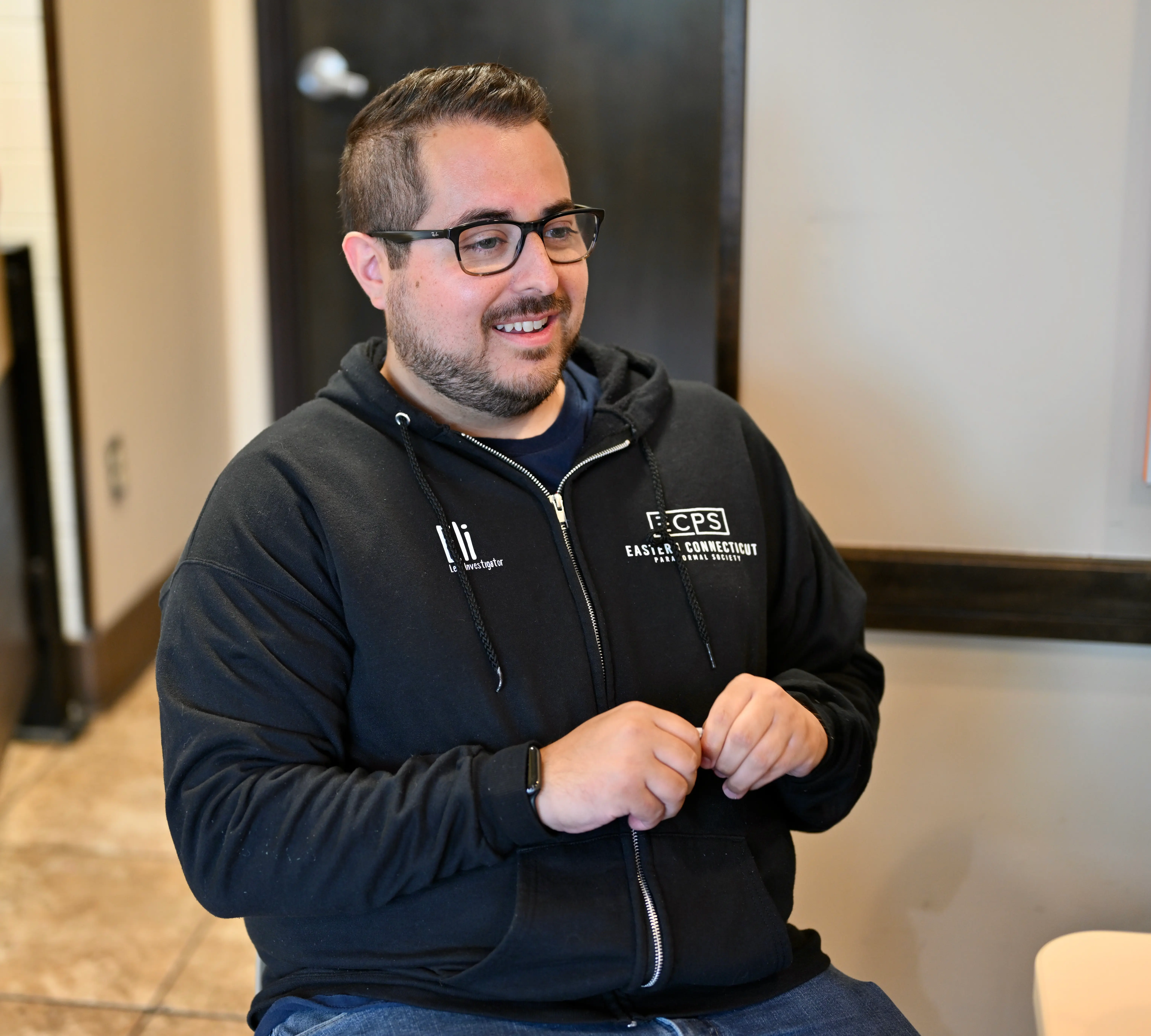
You see it on television constantly. A ghost hunter walks into a location, starts yelling at unseen spirits, hits instant playback, and suddenly hears a chilling reply.
That is entertainment.
A real EVP session is slow, methodical, and often uneventful. Clear, relevant Class A responses are rare. Most EVP sessions produce silence — and that is normal.
If you want to increase your probability of capturing meaningful Electronic Voice Phenomena, you need structure, discipline, and environmental awareness.
Here is how to run a professional EVP session the right way.
How to Properly Start an EVP Session

Every EVP session must begin with context.
Immediately after pressing record, state:
Full names of everyone present
The exact room or location in the building
The date and time
This step protects your evidence.
During review, unexplained sounds often turn out to be:
HVAC systems
Refrigerators
Footsteps
Clothing movement
Team members speaking softly
Without contextual documentation at the beginning of your EVP session, you cannot properly validate or debunk what you capture.
Next, clearly state your intentions. Explain why you are there and that you are investigating respectfully. Whether or not you believe spirits require this, maintaining professionalism sets the tone for the entire session.
Equipment Setup for a Successful EVP Session

A structured EVP session should include:
A high-quality digital voice recorder
A K2 or EMF meter
Optional Spirit Box for extended attempts
Using both a recorder and EMF meter allows you to correlate possible voice responses with environmental fluctuations. While EMF spikes alone do not confirm paranormal activity, pattern recognition during an EVP session is more compelling than isolated anomalies.
If your session is quiet, a Spirit Box may provide another communication method. However, radio contamination is always possible. Remain cautious and analytical.
Best Questioning Techniques During an EVP Session
The way you ask questions directly impacts the quality of your EVP session.
Start with basic biographical questions:
How many are here?
What is your name?
How old are you?
Are you male or female?
These establish a framework. If you receive a potential response, you can follow up with more specific questions.
During your EVP session:
Speak clearly and confidently
Never whisper
Wait 15–20 seconds after each question
Announce all movement
Silence is essential. Many failed EVP sessions happen because investigators talk continuously and contaminate their own recordings. A disciplined pause gives any potential response time to register.
Optimal Length for an EVP Session
An effective EVP session typically lasts around 45 minutes.
Longer sessions:
Increase contamination risk
Create overwhelming review time
Reduce investigator focus
Quality is more important than duration. A structured 30–45 minute EVP session is far more productive than a two-hour unfocused recording.
What to Do When Your EVP Session Produces No Results
Most EVP sessions do not produce immediate results.
If your EVP session feels inactive:
Change rooms
Reset your questioning strategy
Introduce a Spirit Box
Take a short break and resume
Avoid forcing responses. Pushing too hard often leads to misinterpretation during review.
Provocation is an advanced technique and should only be attempted by experienced investigators. If used, always formally close your EVP session before leaving the location. State that the session is ending and that no energy is permitted to follow.
Leaving without closure is unprofessional and potentially distressing for homeowners.
Reviewing Evidence After an EVP Session
The real work begins after the recording stops.
During evidence review:
Use high-quality headphones
Listen multiple times
Document timestamps
Cross-reference team notes
Attempt debunking before classification
A true Class A EVP captured during an EVP session will be:
Clear
Intelligible
Contextually relevant
Free of obvious environmental explanation
Anything less should be categorized appropriately. Integrity is more important than excitement.
Final Thoughts on Running a Professional EVP Session
An EVP session is one of the most common tools in paranormal investigation — and one of the most misunderstood.
Television compresses hours of silence into dramatic highlights. Real investigation requires patience, structure, and skepticism.
If you approach every EVP session methodically — documenting context, controlling contamination, and reviewing evidence critically — you dramatically improve your chances of capturing something meaningful.
Turn on the recorder. Ask clearly. Wait in silence. Let the evidence speak for itself.


Comments