


Headstone Symbols and Meanings
The air is turning crisp and the colors of Autumn are beginning to burst. You know the change of seasons are upon us with our wardrobe change and the smell of pumpkin spice in your favorite coffee shop.
This is the time of year when the thoughts of Halloween and all the spooky things that come with the holiday appear. One of my favorite adventures for the Fall is visiting different graveyards and cemeteries.
Do you know the difference between a graveyard and a cemetery? A graveyard is almost always near a church or on the church’s property. A cemetery, formally known as a grave park, is a parcel of land set aside for burials. The land was in a rural setting and was established due to the negative impact on health. The designation of cemeteries in park-like settings began its rise in the early 19th century, but the concept of burying the dead away from the church began in the early 18th century.
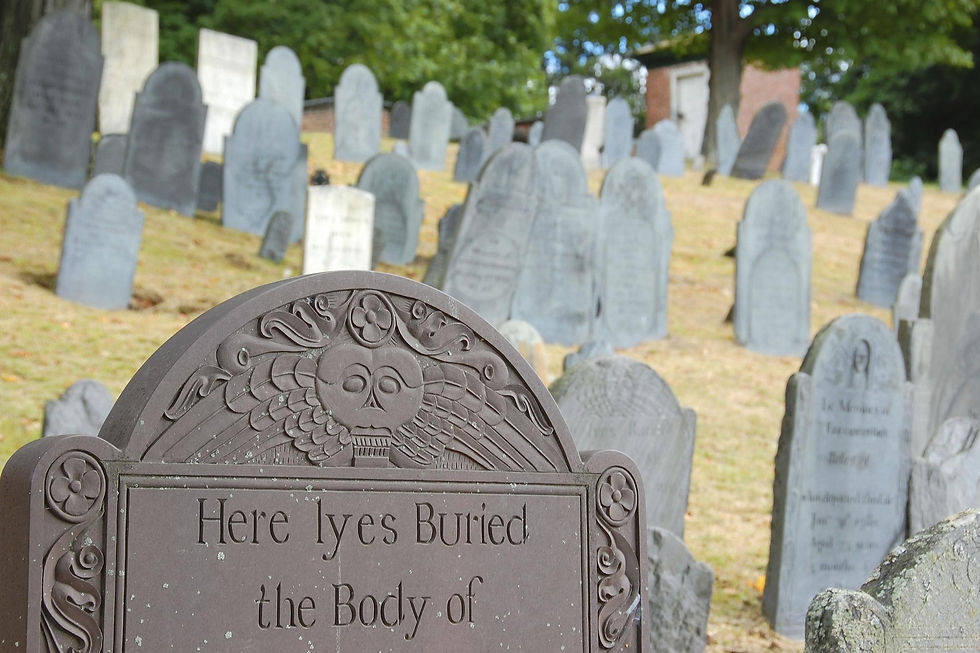
Common Headstone Symbols and Meanings
Headstone rubbings have been a popular hobby for many years. Recently, many graveyards or cemeteries have prohibited rubbings. So, if you want to do a rubbing, make sure you have permission from the caretaker. Additionally, do the rubbing with care. Do not mark up the stone.
You have done the rubbing (with permission) and now want to know what the symbol means. Carving a symbol on the headstone came into practice right around the time cemeteries were formed. Most churchyards or graveyards have basic markers. The markers just had their name and year of death. The church or the family themselves kept more detailed records.
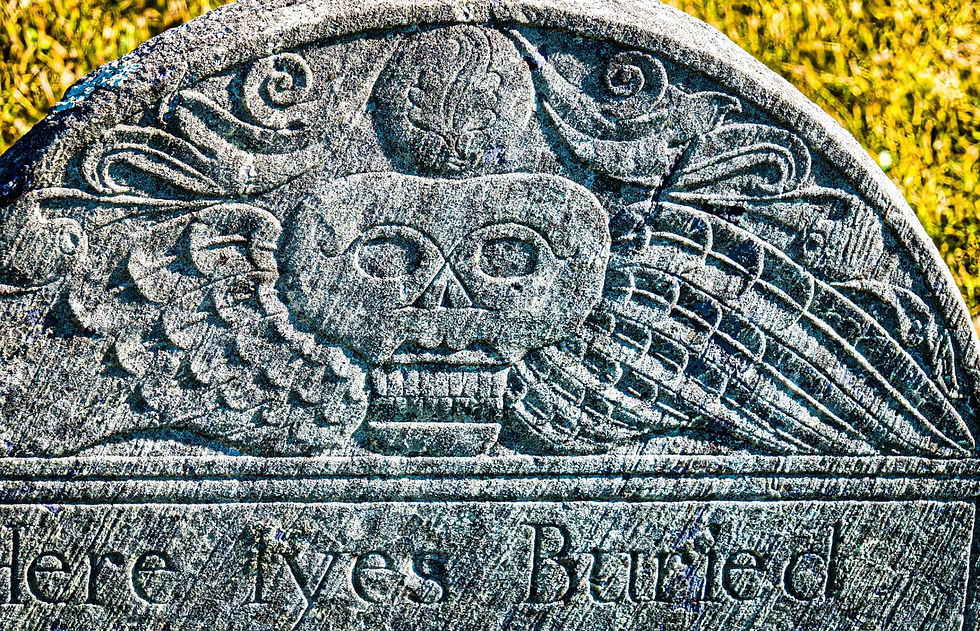
The most popular carving on headstones is the skull or the winged skull. This carving was prominent in the 17th and 18th centuries. Don’t be freaked out—the skull does not have a negative meaning. The skull carving represents mortality. The winged skull represents the deceased soul flying to Heaven.

The skull and winged skull gave way to the winged hourglass or the flying
hourglass. This carving represents the passing of time and how quickly it goes.
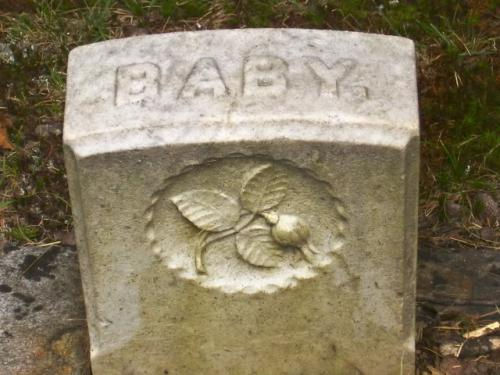
If you see a headstone in the shape of a tree stump or broken column, you can safely assume the person buried below had their life cut short. The deceased would have been in the late teens or early adulthood. A more specific headstone for women is the carving of a bloomed rose with a bud, where the bud is snapped.

If you come across any one of these grave markers, you can safely assume a child is buried there.
The cherub symbolizes innocence and youth. This picture shows a more modern cherub. Earlier carvings would depict a child with wings around the head, similar to the winged skull.
The lamb on the headstone symbolizes youth and, for Christians, the Lamb of God.
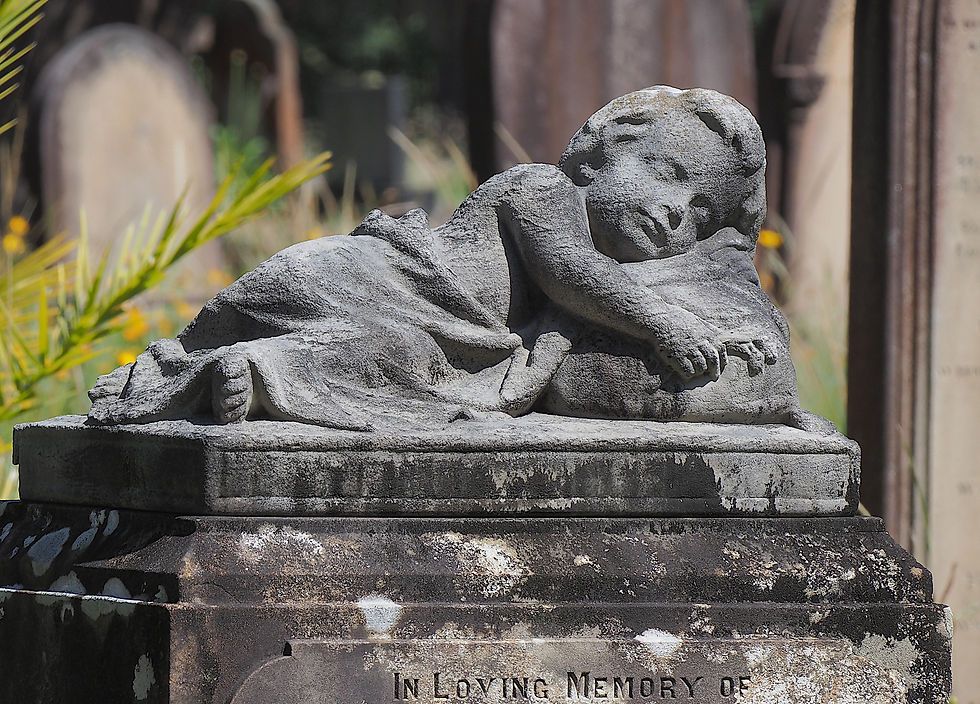
The sleeping child is, in my opinion, the saddest of all. This marker represents that the child is simply sleeping — not dead — as if they were resting in the arms of God.
The list can go on and on. I showed you just a few. In fact, there have been books written on headstones and their meanings. If you want to learn more, I encourage you to visit your library and read about them.
I also want to remind you, if you do go into graveyards or cemeteries, please be respectful and reverent. Even if the headstones are old, they do belong to someone. Remember to get permission to do rubbings as well.
The graveyard or cemetery is the final resting place for our bodies, but not our souls.
These common headstone symbols and meanings are an important part of historic preservation efforts.


Comments